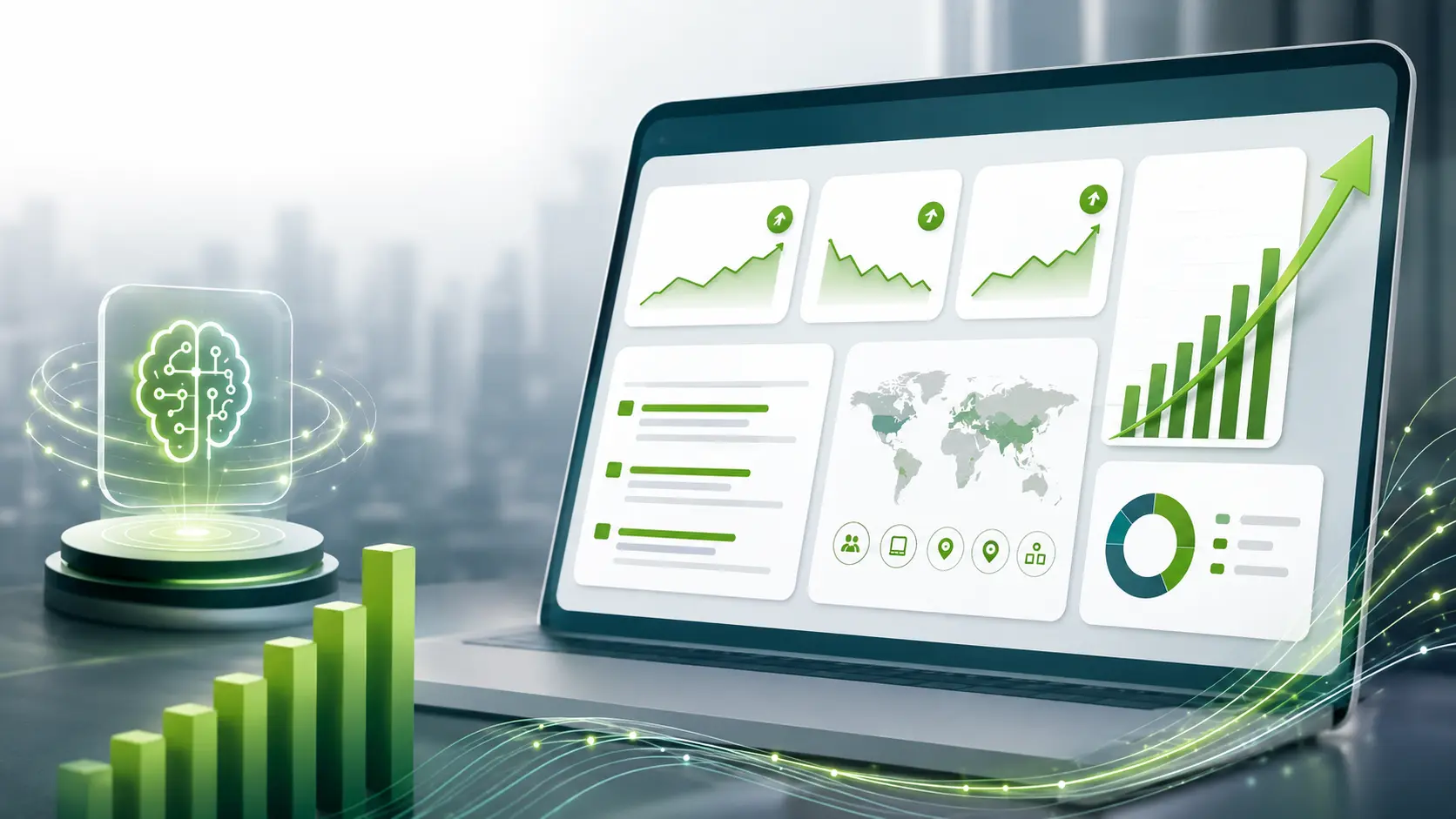
Google Ads is taking another major step toward AI-powered advertising by expanding AI Max across more Search campaigns. Starting in September 2026, eligible campaigns using Automatically Created Assets or the campaign-level broad match setting will begin moving automatically to AI Max for Search.
AI Max is designed to help advertisers find more relevant searches, create better-matched ad content and connect users with suitable landing pages. It is not a completely new campaign type. Instead, it works as an AI-powered optimization layer inside existing Google Search campaigns.
One of the main features is search term matching. It allows Google Ads to look beyond an advertiser’s existing keyword list and identify additional searches that may be relevant to the business. This could help brands reach potential customers whose searches do not exactly match the keywords already added to a campaign.
AI Max also includes text customization. Google AI can adjust ad messaging based on what a person is searching for, helping ads better match the user’s intent. Final URL expansion can also direct users to a more relevant page on the advertiser’s website instead of always sending traffic to one fixed landing page.
For marketers, the automatic upgrade means campaign monitoring will become increasingly important. Google plans to keep upgraded campaigns close to their existing setup, but advertisers should still review AI Max settings, search terms, generated messaging and landing pages after the transition.
Google has been adding more controls to AI Max as adoption grows. Advertisers can guide how AI-generated text is created, control certain terms or concepts and use additional settings to protect brand messaging. These controls are particularly useful for businesses that need advertising copy to follow strict brand, legal or industry requirements.
Performance is another reason Google is pushing AI Max more widely. Google reports that Search campaigns using the full AI Max feature set can generate an average of 7% more conversions or conversion value at a similar cost per acquisition or return on ad spend compared with campaigns using search term matching alone. Actual results, however, will depend on the advertiser, market, conversion tracking and campaign setup.
Dynamic Search Ads are also expected to eventually move into AI Max, but that transition has been delayed. Instead of beginning in September 2026, the Dynamic Search Ads sunset and automatic migration are now expected to start in February 2027. This gives advertisers using DSA more time to review their campaigns and prepare for the change.
For businesses and digital marketing teams, the bigger message is that Google Search advertising is becoming less dependent on manually selected keywords alone. AI is increasingly being used to understand search intent, choose relevant content and decide how ads should appear.
Advertisers should not treat the AI Max upgrade as a reason to stop managing campaigns manually. Strong conversion tracking, useful landing pages, clear brand guidelines and accurate performance reporting will remain essential. AI can expand campaign reach, but businesses still need reliable data to judge whether those additional clicks and conversions are actually profitable.
The Google Ads AI Max update shows where paid search is heading: more automation combined with advertiser controls. Businesses that review their campaign structure and measurement setup before the wider rollout may be in a better position to use the new AI features without losing visibility over performance.