
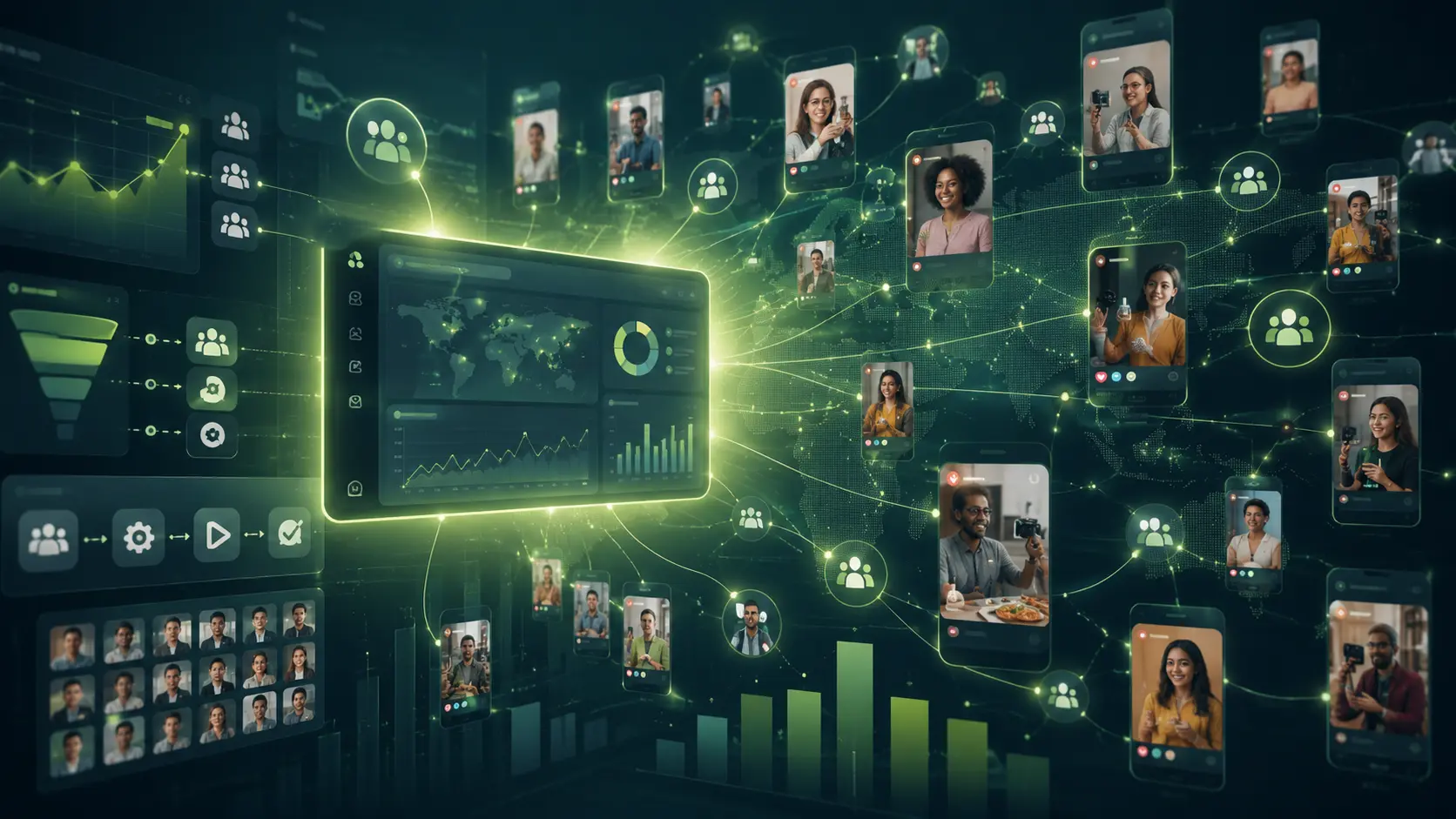
Unilever has shared more details about how it manages its global network of nearly 300,000 content creators.
The large number does not represent one single influencer campaign. Instead, the network includes different types of creators working across several brands, countries, platforms and audience groups.
Some creators are well-known personalities who support major global campaigns. Others are smaller local creators who help brands connect with specific communities. The network also includes people who produce content for brand-owned social pages, paid advertisements and their own personal accounts.
Unilever works with internal marketing teams, creative agencies, creator-management partners and technology platforms to organize this large network. Each group may handle a different part of the process, such as finding creators, preparing campaign briefs, approving content, managing payments or measuring performance.
Technology and artificial intelligence also play an important role. Automated tools can help identify suitable creators, review basic content requirements and manage repetitive administrative work. However, human teams continue to handle relationships, creative decisions and communication with creators.
The company recently demonstrated the scale of this strategy during the FIFA World Cup, where it activated more than 50,000 creators across different markets. These creators supported several Unilever brands by producing content for local and international audiences.
For marketers, the structure shows that successful creator marketing requires more than hiring popular influencers. Brands need clear audience groups, different creator levels, reliable workflows and measurable campaign goals.
A smaller business may not need thousands of creators, but it can follow the same basic approach. It can build a selected network of trusted creators, give each person a clear role and track results such as engagement, leads, website visits and sales.
Unilever’s strategy shows how creator marketing is becoming a permanent part of digital marketing rather than a short-term promotional activity. Brands that combine authentic creator relationships with data, technology and clear performance tracking may be able to reach customers more effectively.