

Discounts can attract local shoppers, but posting price cuts too often may make promotions the main reason they visit. Helpful content gives people other reasons to come back, such as new arrivals, expert advice, and in-store experiences. This guide shares practical content ideas that bring local shoppers back, along with a simple way to publish and measure them.
Why Discounts Stop Working for Local Stores?
Discounts can help local stores clear old inventory, introduce seasonal offers, or attract first-time shoppers. However, using them too frequently can reduce profit margins and encourage some customers to wait for lower prices. Building customer loyalty requires more than promotions. Stores also need dependable service, useful information, and a shopping experience that gives people reasons to return.
When every week looks like a clearance event, shoppers stop paying attention. What brings people back is relevance, reliability, and a sense that your store understands their needs.
What Local Shoppers Want From Your Content?
Local audiences respond to useful information they can act on quickly. They want clarity on what is available, what is new, and what will make their next visit easier.
They also want confidence. Content that shows your standards, your process, and your consistency reduces friction and makes repeat visits feel like the safe choice.
Before planning content, local store owners should understand who their customers are, what questions they ask, and what influences their purchasing decisions. The U.S. Small Business Administration’s market research guidance explains how businesses can study customer needs, local demand, and competing options before building a marketing strategy.
Content Pillars That Create Repeat Visits
Use a small set of repeatable themes so content stays consistent even during busy weeks. Choose topics based on the questions customers regularly ask, the products they compare, and the information they need before visiting. Our guide to organic SEO for lead generation explains how useful content can match customer search intent and guide people toward meaningful actions. These content pillars also help shoppers recognize your brand and know what to expect from future updates.
- New Arrivals and Restocks: Share what is back in stock, what is limited, and when the next restock is expected.
- How to Choose the Right Product: Publish short buying guidance that answers the questions staff hear daily.
- Care and Maintenance Tips: Help customers get better results after purchase so they associate your store with long-term value.
- Behind the Counter Standards: Explain how you select suppliers, check quality, store items, or handle special orders.
- Local Relevance Updates: Post timely notes related to local weather, events, school calendars, or seasonal routines that affect demand.
Once these pillars are set, choosing what to post becomes simpler and faster.
Local businesses can also share product arrivals, store updates, and upcoming events through their Google Business Profile. These updates can help nearby customers discover useful information while searching for businesses on Google Search and Maps. Google’s guide to Business Profile posts explains how businesses can publish updates, events, and announcements directly on their profiles.
Content Ideas That Encourage Repeat Store Visits
These content ideas give shoppers practical reasons to visit, ask questions, or remember your store, even without a price drop. Choose two or three formats to test over several weeks, then repeat the ones that generate meaningful customer interactions.
- Weekly Best Sellers Recap: Highlight the top items that moved quickly and share who they are best for.
- Staff Picks With Clear Reasons: Feature one item per staff member and focus on practical benefits and common use cases.
- Product Comparison Posts: Compare two or three popular options and state which buyer each fits best.
- Limited Availability Alerts: Share updates about genuinely limited products, seasonal collections, or items awaiting restocking. Clearly mention availability and expected restock dates when known. Avoid creating artificial urgency or claiming that products are running out unless inventory information supports it.
- Quick Setup or Styling Guides: Share a short routine people can follow at home and point to the products needed.
- Customer Questions Answered: Turn the most common counter questions into short posts that reduce uncertainty.
Keep each post focused on one clear takeaway and one clear next action, such as visit today or call to reserve.
For example, a local shoe store could publish a short guide explaining how to choose comfortable footwear for everyday use. A neighborhood bakery could share a behind-the-scenes video showing how its popular products are prepared. A home decor shop could post simple styling ideas using items already available in the store. These posts help shoppers understand products, discover useful ideas, and remember the business without relying on discounts.
Local Trust Builders You Can Publish Every Week
Trust-based content can help shoppers feel more confident about returning, especially when competitors compete on price. This type of content can also encourage word-of-mouth recommendations.
- Quality Checks and Guarantees: Explain what you inspect, what you replace, and how returns work in plain language.
- Meet the Team Posts: Share what each person specializes in and what questions they love helping with.
- Store Walkthrough Updates: Show small improvements, new displays, or easier ways to find what people need.
- Community Partnerships: Highlight local collaborations and what shoppers gain from them.
Over time, consistent updates can help customers feel more confident about returning to your store. Businesses can strengthen that trust by sharing genuine customer reviews and testimonials with appropriate permission. Customer feedback should never be fabricated or presented in a misleading way. The Federal Trade Commission’s guidance on endorsements and reviews explains important standards for truthful testimonials and transparent marketing.
In-Store Experiences That Turn Into Great Posts
Events and experiences do not need to be big to encourage return visits. Small recurring moments can become signature content that people expect.
- Mini Demos: Host a short demo on a predictable schedule and post a recap with the key tips.
- Ask An Expert Hours: Offer a weekly window for deeper questions and publish the top answers afterward.
- Try Before You Buy Days: Invite hands-on testing and share what to bring or what to expect.
Pair each experience with a simple reminder post the day before and a recap the day after. Short videos showing product demonstrations, staff explanations, or useful shopping tips can help customers understand what happens inside your store. Businesses interested in developing more engaging visual content can explore IMILI Corp’s video marketing approach for creating brand-focused videos that support customer engagement.
Use Email and SMS to Bring People Back Without Discounting
Social posts are easy to miss, while email and SMS offer more direct ways to communicate with customers. A short weekly message can encourage repeat visits when it focuses on useful information rather than constant promotions. Businesses should contact customers through appropriate, permission-based messaging practices.
Send one main update with a clear theme, such as what is new, what is back, and one helpful tip. Segment by interest when possible so people receive fewer messages that matter more.
Before launching email or SMS campaigns, businesses should consider customer consent, communication preferences, and applicable marketing regulations. The Federal Trade Commission’s CAN-SPAM compliance guide explains requirements for commercial emails, including accurate sender information and unsubscribe options. For applicable automated marketing texts, the FCC guidance on revoking consent to marketing texts explains consumers’ rights to stop unwanted messages. Businesses should verify the rules that apply to their location and messaging practices before sending campaigns.
Building consistent customer communication requires more than sending occasional promotional messages. Local businesses need relevant content, thoughtful audience segmentation, and reliable follow-up processes. IMILI Corp’s lifecycle marketing services help businesses plan personalized email and SMS campaigns, strengthen customer relationships, and encourage repeat engagement throughout the customer journey.
Simple Content Calendar That Stays Consistent
Consistency matters more than volume. A small plan you can maintain beats a big plan you abandon.
| Day | Content Type | Goal |
|---|---|---|
| Monday | New Arrivals And Restocks | Drive planned visits for the week |
| Wednesday | Buying Guide Or Comparison | Reduce indecision and increase confidence |
| Friday | Staff Pick Or Best Sellers | Create momentum and weekend traffic |
| Sunday | Care Tip And Store Update | Build loyalty and set up next week |
Treat this four-post schedule as a starting example rather than a fixed requirement. Local stores can begin with two to four useful posts each week, depending on their available time and resources. Test the schedule for four weeks, identify which topics generate inquiries or store visits, and adjust the posting frequency based on customer interest and measurable results.
How to Measure Whether Your Content Brings Shoppers Back?
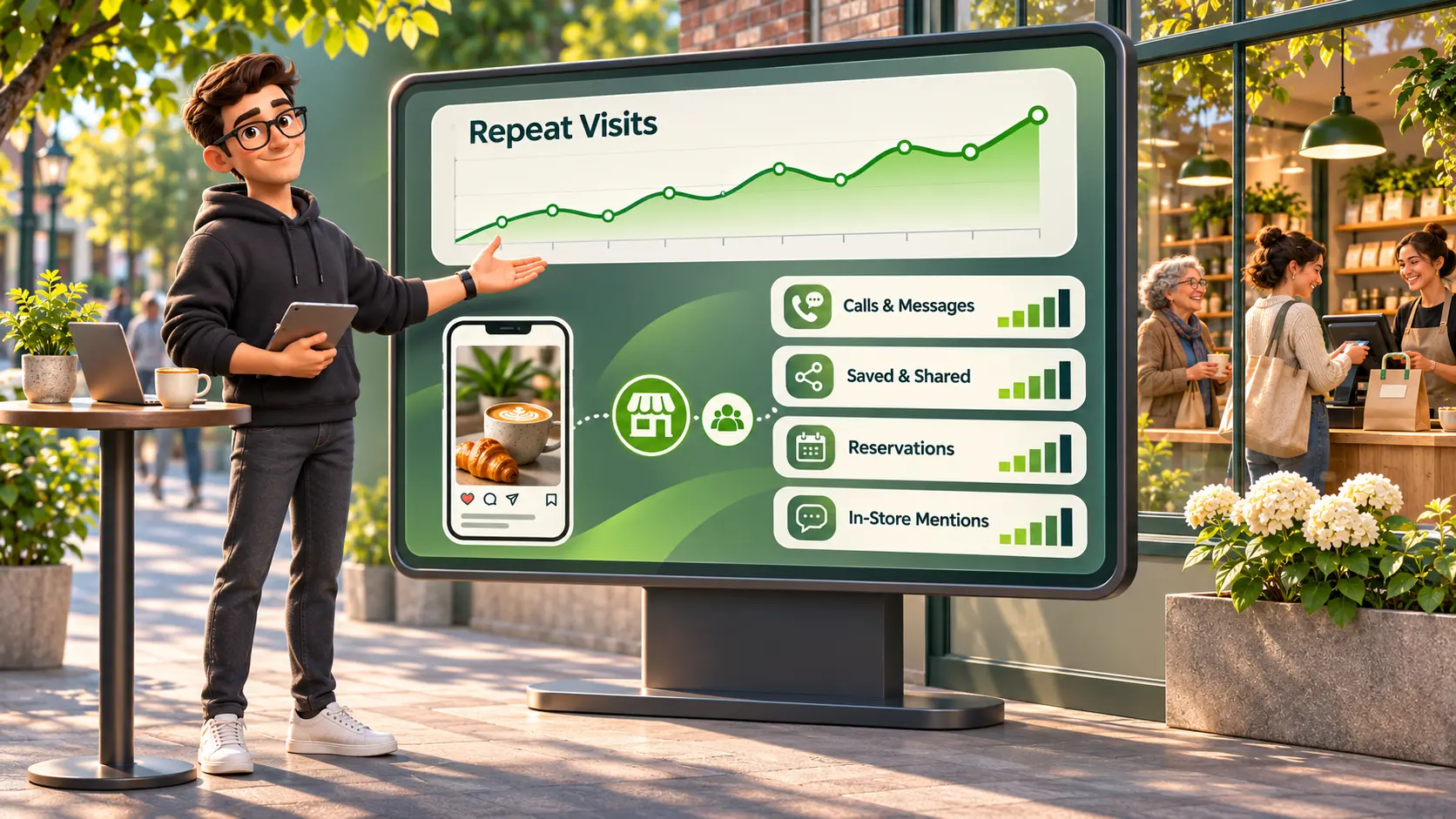
Track signals that connect content to foot traffic and repeat behavior. Likes alone do not tell you if people returned.
To connect online content with actual shopping activity, assign simple tracking methods to your campaigns. For example, a store can use a unique reservation link for a featured product, ask customers which post brought them in, or compare repeat purchases recorded through its point-of-sale system. Review these signals over several weeks to identify patterns. Remember that a customer mentioning a post does not automatically prove that the post caused the visit.
- Repeat Visits: Compare returning customer counts week over week and month over month.
- Store Calls and Messages: Monitor inquiries tied to specific posts and topics.
- Saved Posts and Shares: Look for content that people save or share, while recognizing that these interactions do not necessarily lead to purchases.
- Reservation and Hold Requests: Track how often people ask you to hold items after seeing a post.
- In-Store Mentions: Ask customers what they saw and note patterns in a simple log.
Consistent measurement helps businesses identify which content themes generate useful customer interactions and repeat shopping activity. However, online engagement alone cannot confirm whether a campaign caused an in-store purchase. IMILI Corp’s marketing analytics services can help businesses organize performance data, review customer behavior, and make more informed marketing decisions.
Common Mistakes That Keep Content From Working
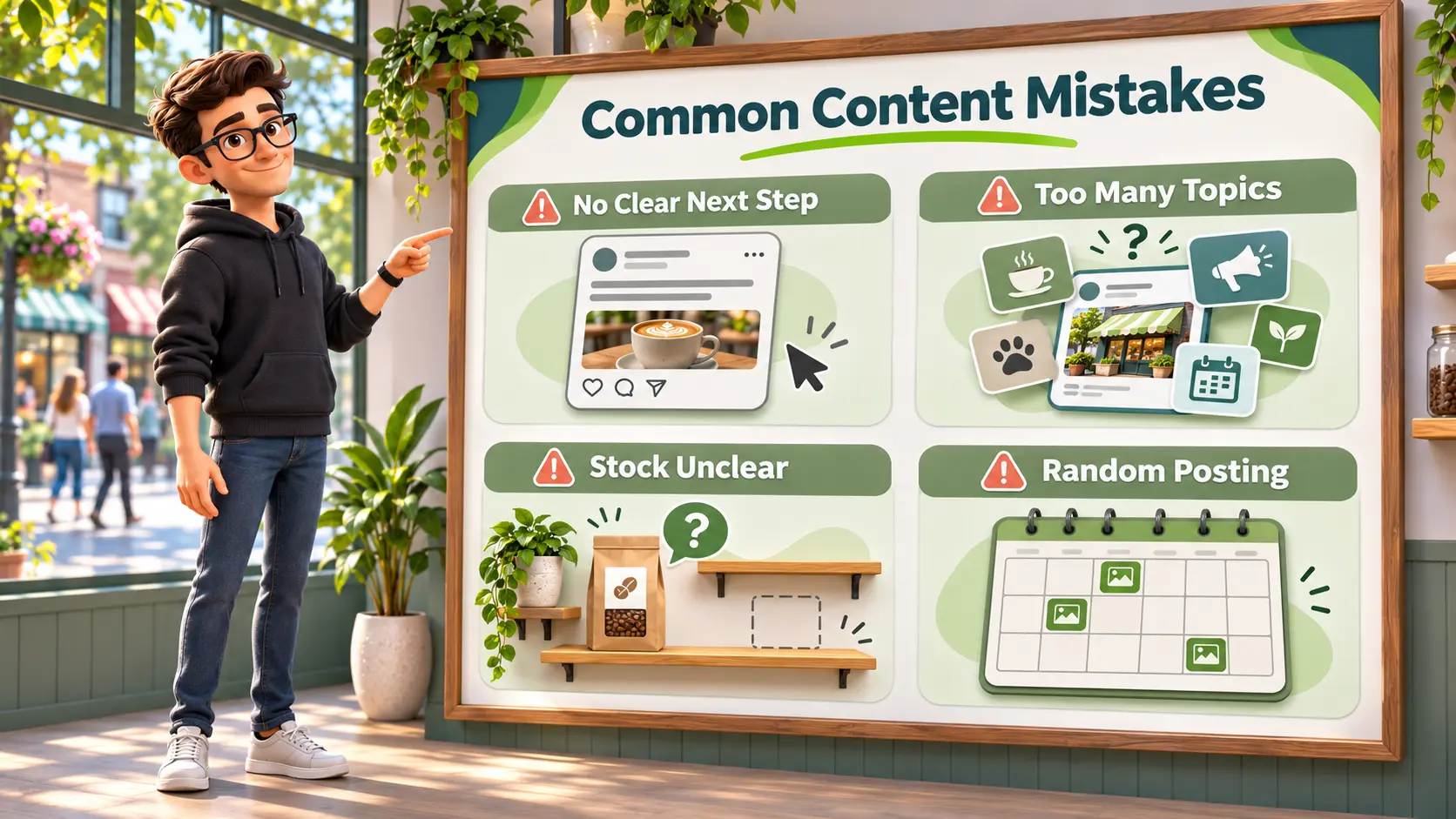
Small execution issues can limit results even when the idea is strong. Addressing these problems can make content more useful, relevant, and consistent.
- Posting Without A Clear Next Action: Each post should guide the reader toward a visit, call, message, or saved reminder.
- Too Many Topics At Once: One post should solve one problem or answer one question.
- Unclear Availability: State what is in stock, when it arrives, or how to reserve.
- Inconsistent Timing: Random posting makes it harder for people to know when to expect useful updates.
Addressing these mistakes can make your content more dependable and help local shoppers develop stronger familiarity with your business.
Conclusion
Discounts can be useful for attracting attention and supporting short-term sales, but they should not be the only reason customers visit your store. Helpful product information, honest recommendations, consistent communication, and positive shopping experiences can give local shoppers more reasons to return even when there is no promotion.
Pick a few repeatable pillars, publish on a simple schedule, and measure what drives visits. With steady execution, your store can become a place people regularly check for useful information, trustworthy recommendations, and products that meet their needs.
Frequently Asked Questions
How Often Should A Local Store Post If It Wants Repeat Visits?
There is no single posting frequency that works for every local store. Start with two to four useful posts each week if your team can maintain that schedule. Focus on product restocks, buying advice, customer questions, and staff recommendations. Track customer engagement and store inquiries, then adjust your posting frequency based on what produces meaningful results.
What Should I Post If I Do Not Have New Products Every Week?
Rotate buying tips, care guidance, comparisons, and customer questions answered. Highlight best sellers, practical bundles, and how to choose the right option for a specific need. These posts stay valuable even when inventory is stable.
How Do I Reduce Discounting Without Losing Sales?
Gradually reduce your reliance on constant discounts by publishing content that builds confidence and explains product value. Share genuine availability updates, practical buying advice, and clear next steps that make shopping easier. Use permission-based email or SMS updates to keep interested customers informed without overwhelming them with promotions. Track returning customers, repeat purchases, and store inquiries to evaluate whether your approach is supporting customer retention over time.