
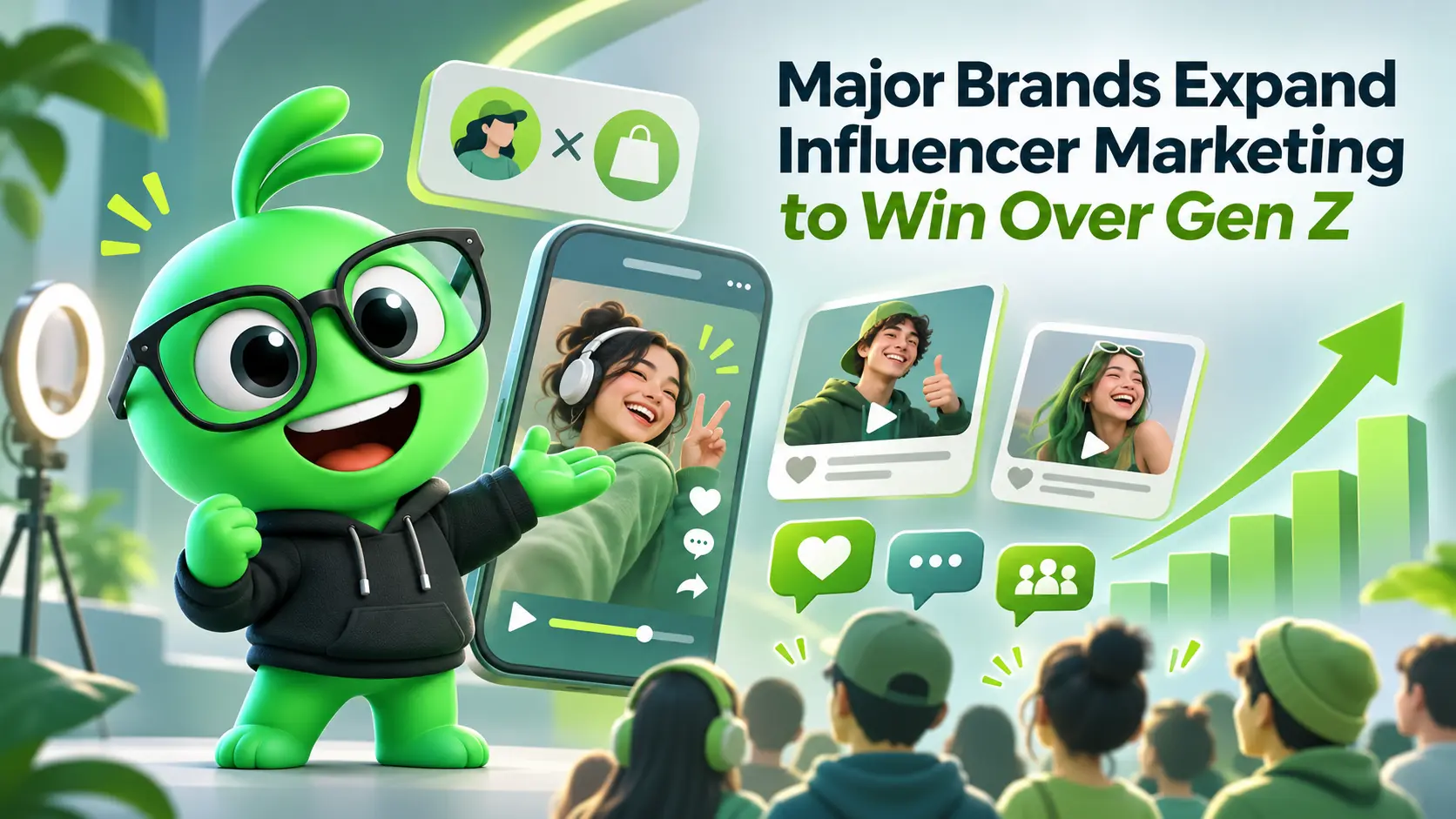
Major global brands are increasing their investment in influencer marketing to connect with Generation Z (Gen Z) consumers. Companies are working with more social media creators as younger shoppers turn to platforms like TikTok, Instagram, and YouTube to discover products and make buying decisions.
Unilever says it now works with about 500,000 creators worldwide, compared with around 20,000 two years ago, according to its November 4, 2026 investor event transcript. L’Oréal separately says it works with around half a million creators globally and describes its Lorealistar creator community as part of that strategy. These figures describe the companies’ creator networks, not the number of sponsored campaigns running at one time.
At its November 4 investor event in New York, Unilever described this expansion as part of a broader shift toward social-first marketing. The company said its own measurements showed that creator-led content delivered an average return on investment 1.5 times higher than content produced by the brand alone. This is a company-reported result and does not mean every influencer campaign will perform better.
A Financial Times report published November 14, 2026 also highlighted growing interest in creator-led marketing among major companies, including Coca-Cola, Nestlé, Procter & Gamble, and McDonald’s. Their approaches may differ, but the wider shift shows how brands are looking beyond traditional television advertising to reach people through social media.
Gen Z audiences are one reason brands are paying closer attention to short videos, creator reviews, and social shopping. Product discovery can now happen alongside entertainment and, on some platforms, directly alongside checkout. Imili Consulting previously explained how TikTok Shop connects creators with online shopping, showing how videos, product recommendations, and purchases can become part of the same experience.
Unilever says it uses artificial intelligence to help find creators, prepare campaign briefs, check whether they are suitable, and measure results. Its employees still oversee these relationships. This shows how technology can help manage large creator networks without replacing human decisions about brand safety and messaging.
Another important change is the growing role of smaller content creators. Brands do not always need celebrities or influencers with millions of followers to reach potential customers. Creators with smaller but active communities can help businesses connect with specific audiences through more personal content.
However, expanding influencer campaigns also creates risks. Brands need to check advertising claims, monitor content quality, and make paid partnerships clear to viewers. In the United States, the Federal Trade Commission’s influencer disclosure guidance says creators should clearly explain material connections to brands, including payment or free products. Working with more creators does not automatically lead to higher engagement or sales.
For digital marketers, the key lesson is to measure more than follower counts and views. Campaign reports can show clicks, engagement, and sales linked to creators, but those numbers do not always prove the campaign caused additional purchases. Imili Consulting’s guide to attribution versus incrementality explains why that distinction matters when deciding where to spend marketing budgets.
As major brands expand their creator networks, smaller creators and community-led content are becoming part of a broader marketing strategy. For companies trying to reach Gen Z, the practical focus should be on choosing relevant voices, being transparent about promotions, and checking whether campaigns produce meaningful business results.