

Hiring an SEO agency is easy. Confirming it can produce results in your specific industry is harder, especially when rankings, leads, and revenue depend on search intent, compliance rules, and how people buy. A credible partner should welcome tough questions, show verifiable outcomes, and explain exactly how results will be measured and repeated.
Why Industry Proof Matters In SEO?
Search performance is shaped by market demand, competitive intensity, and how quickly a site can earn trust. A method that works for a local service business may fail in a regulated vertical or a high churn software category.
Industry proof also protects your budget. When an agency understands your audience and sales cycle, it can prioritize the pages, topics, and technical fixes that move revenue, not just vanity metrics.
Question One What Results Have You Delivered In Similar Industries?
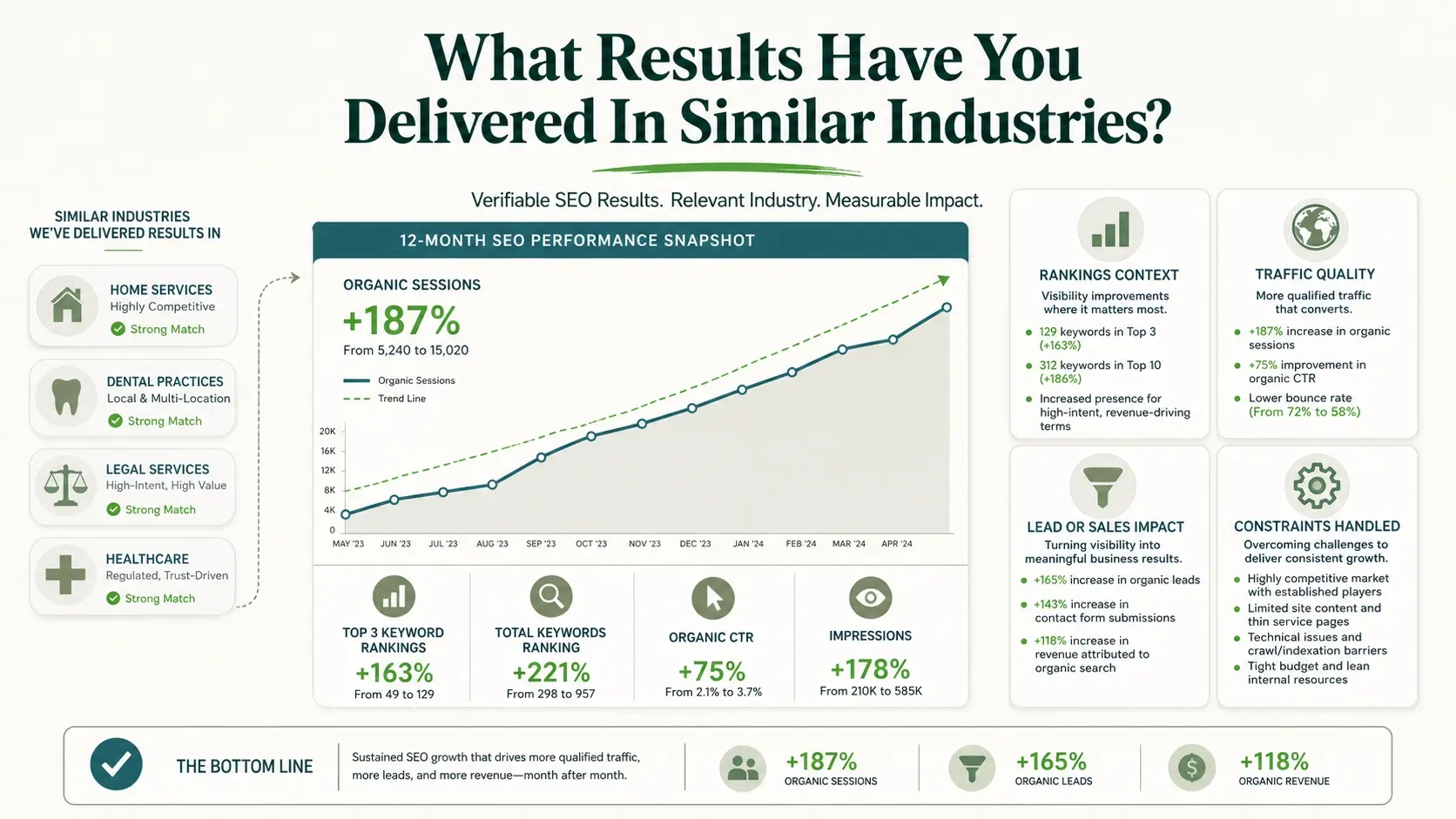 Ask for results that match your business model, not just broad claims. Similar industries can include shared buyer intent, comparable lead values, or similar compliance limits.
Request specifics on outcomes, the time window, and the starting point. If an agency avoids concrete numbers or cannot explain the baseline, treat that as a risk signal.
- Rankings Context: Ask which keyword groups improved and why those terms mattered to revenue.
- Traffic Quality: Ask whether organic growth included non brand discovery traffic, not only branded searches.
- Lead Or Sales Impact: Ask which conversion actions increased and how they were tracked.
- Constraints Handled: Ask what limitations existed, such as legal review or limited dev resources, and how the plan adapted.
Clear proof should show both performance and the conditions that made it possible.
Question Two How Do You Define Success For Our Business?
Success should be tied to business outcomes and measurable signals, not generic traffic goals. A strong agency starts by aligning SEO goals with your funnel and your sales capacity.
Look for definitions that include visibility, engagement, and conversions. This keeps the work grounded when rankings fluctuate due to algorithm updates or competitor moves.
| Goal Type | What It Measures | Why It Matters |
|---|---|---|
| Visibility | Impressions and non brand keyword coverage | Shows whether you are earning attention for the right topics |
| Engagement | Clicks, scroll depth, and page level behavior | Confirms content matches intent and is useful |
| Conversions | Form fills, calls, bookings, trials, or purchases | Connects SEO to pipeline and revenue |
| Efficiency | Cost per lead and conversion rate by landing page | Prevents growth that looks good but costs too much |
When these goal types are mapped to your funnel, reporting becomes meaningful and decisions become faster.
Question Three What Is Your SEO Strategy For Our Market?
A real strategy is more than a checklist. It should cover technical foundations, content planning, internal linking, and authority building in a way that fits your resources.
Ask how the agency will prioritize work in the first 30 to 90 days. If everything is labeled urgent, nothing is truly prioritized.
- Technical SEO: How they will handle crawlability, indexation, site speed, and structured data.
- Content Strategy: How they will choose topics, map intent, and update existing pages before creating new ones.
- On Page Optimization: How they will improve titles, headings, copy, media, and internal links without harming UX.
- Authority Signals: How they will earn relevant mentions and links ethically and sustainably.
Good strategy is designed to compound. It should not depend on short lived tactics.
Question Four How Do You Handle Technical SEO And Site Changes?
Technical SEO can be the difference between content that ranks and content that never gets fully indexed. You want an agency that can communicate with developers and provide clear implementation guidance.
Ask what tools and audits they use, but focus more on how they translate findings into fixes. The best teams provide tickets, priorities, and validation after deployment.
- Audit Depth: Confirm they review indexation, logs when available, core web vitals, redirects, canonical tags, and duplicate content.
- Deployment Process: Confirm how recommendations are delivered and who approves changes.
- QA And Verification: Confirm how they test fixes and monitor for regressions after releases.
This is also where a capable partner can reduce risk during redesigns, migrations, and platform changes.
Question Five How Do You Build Authority Without Risky Tactics?
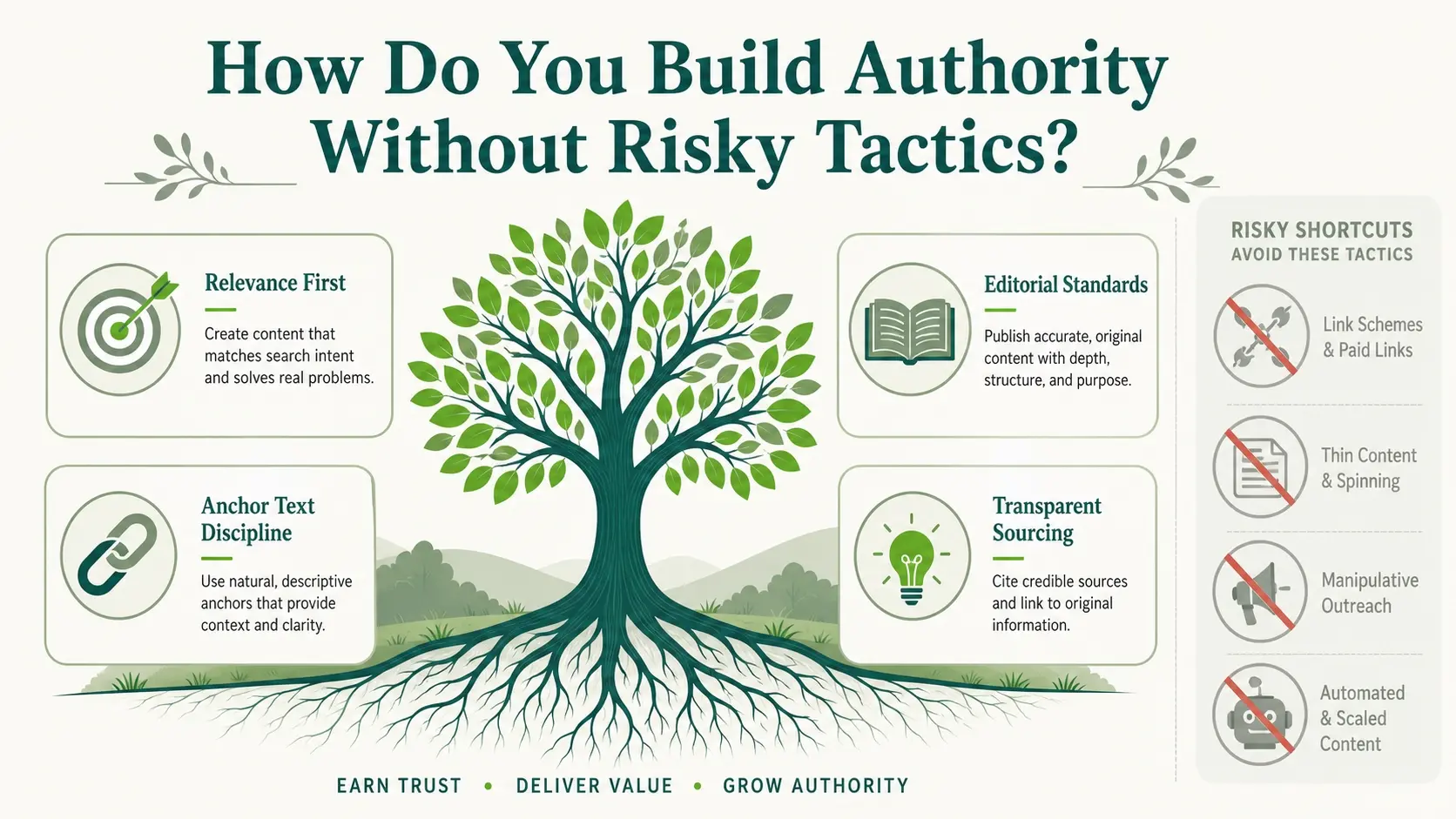 Link building and digital PR can help, but the wrong approach can create long term problems. Ask how the agency earns authority in ways that align with search quality guidelines.
A trustworthy answer focuses on relevance, editorial standards, and brand credibility. Be cautious of guarantees tied to a fixed number of links each month or vague promises of high domain metrics.
- Relevance First: Links and mentions should come from sites that make sense for your industry and audience.
- Editorial Standards: Content should be reviewed for accuracy, originality, and usefulness before outreach.
- Anchor Text Discipline: Natural anchors reduce risk and mirror how people actually reference brands.
- Transparent Sourcing: You should know the type of placements being pursued and the quality criteria used.
Authority is built through trust. Shortcuts can erase months of progress.
Question Six What Will Reporting Look Like And How Often Will We Meet?
Reporting should be simple, consistent, and tied to decisions. You want clarity on what will be delivered weekly or monthly, and what is discussed in live check ins.
Ask to see a sample dashboard and a sample written summary. A strong agency explains what changed, why it changed, and what actions follow.
- Core KPIs: Confirm which metrics will be tracked and how they relate to your goals.
- Work Completed: Confirm you will see what shipped, not only what is planned.
- Insights And Next Actions: Confirm each report ends with priorities for the next cycle.
- Attribution Method: Confirm how conversions are credited to organic search and how offline sales are handled if relevant.
Good reporting reduces uncertainty and prevents misalignment between marketing and leadership.
Question Seven Who Will Work On Our Account And What Is Their Experience?
Agency results often depend on the actual team, not the pitch deck. Ask who will own strategy, who will write or edit content, and who will handle technical tasks.
Look for experience that matches your needs. That can include complex technical sites, local SEO, ecommerce SEO, or content heavy lead generation programs.
- Roles And Responsibilities: Confirm the day to day owner, escalation path, and who approves deliverables.
- Quality Control: Confirm how content is reviewed for accuracy, brand voice, and helpfulness.
- Specialist Coverage: Confirm access to technical SEO and analytics expertise when needed.
When accountability is clear, timelines are easier to maintain and results are easier to replicate.
What To Watch For In Proposals And Contracts?
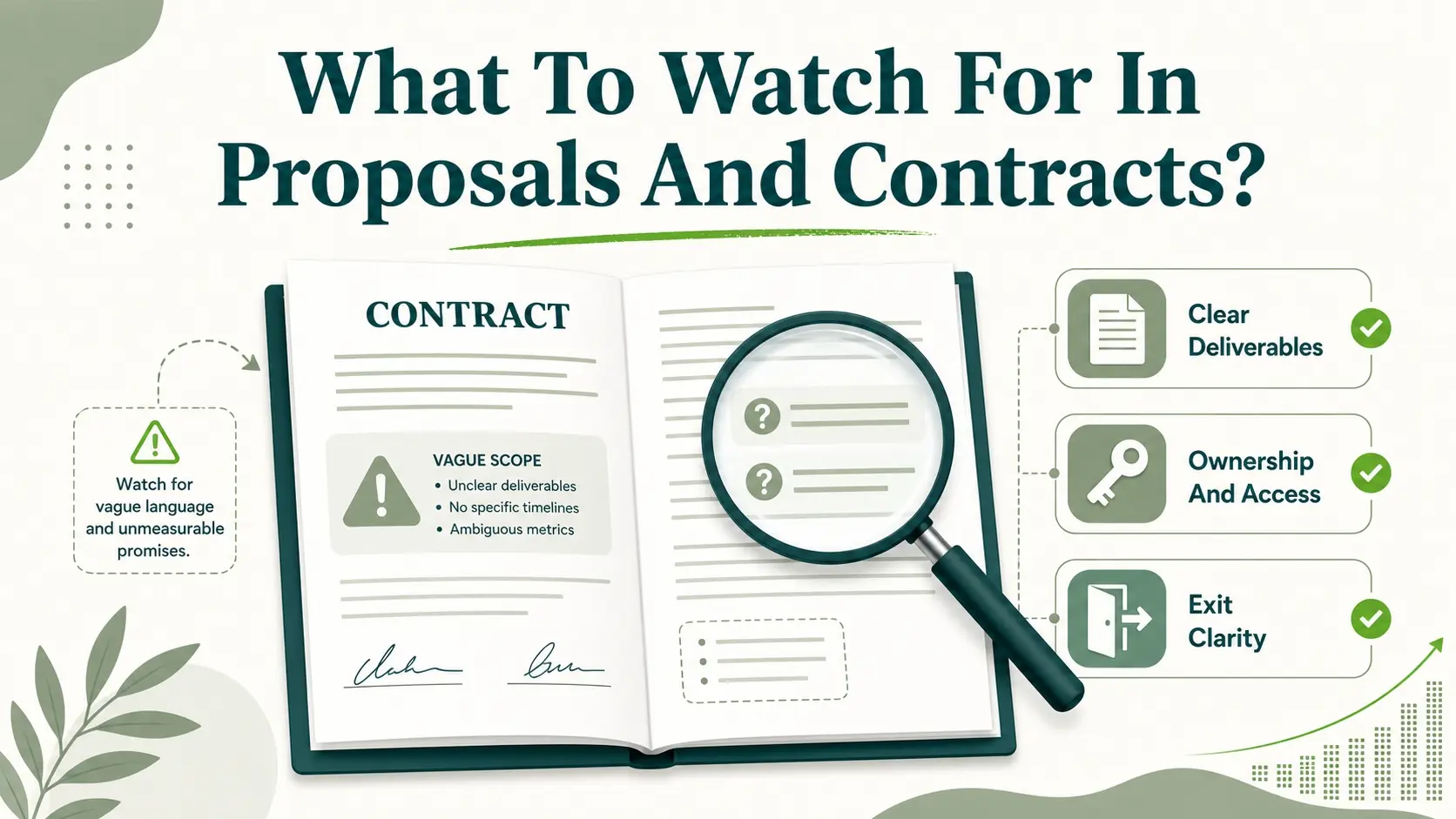
Before you sign, scan the scope for what is included and what is excluded. Many disappointments come from assumptions about content volume, developer support, or link acquisition.
Also review how performance is discussed. SEO is measurable, but no one controls search engines or competitors, so guarantees should be framed around execution and reporting, not fixed ranking promises.
- Clear Deliverables: Specific audits, content outputs, optimization tasks, and reporting cadence.
- Ownership And Access: Your business should retain access to analytics, search console, and key accounts.
- Exit Clarity: Know what happens to content, dashboards, and documentation if you end the engagement.
Clean terms and transparent expectations protect both sides and keep the focus on outcomes.
Conclusion
An SEO agency that can prove results in your industry should be able to show real outcomes, explain a strategy that fits your market, and measure progress in a way your leadership trusts. The seven questions above surface whether the agency understands your audience, your constraints, and your definition of success.
If you want a partner that treats SEO as a business growth system, look for teams that combine technical discipline, content quality, and transparent reporting. Imili Corp supports organizations that need measurable, sustainable search performance with clear strategy, execution support, and decision ready analytics.
Frequently Asked Questions
How long does it take an SEO agency to show results in a new industry?
Timelines depend on your starting authority, technical health, and competition. Many sites see early movement from technical fixes and on page improvements, while revenue level gains usually require consistent content and authority building. A good agency will outline milestones rather than promise instant outcomes.
What should I ask an SEO agency to prove their results are real?
Request baseline and end line data, the exact pages and keyword groups affected, and how conversions were tracked. Ask what changed on the site and what off site actions were taken. Credible reporting connects visibility changes to business outcomes.
Can an SEO agency work with internal teams and still deliver measurable growth?
Yes, if roles are defined and workflows are realistic. The agency should provide prioritized recommendations, clear implementation notes, and verification after changes go live. Regular check ins and transparent reporting keep execution aligned with goals.