

Organic SEO for lead generation works best when every page is built to match buyer intent and remove friction from the next action. The goal is not more traffic, but more conversations with people who are ready to evaluate, compare, and purchase.
What Makes SEO Lead Generation Different?
Traditional SEO often targets broad visibility, which can inflate sessions without improving sales outcomes. Lead generation SEO focuses on keywords and pages that connect directly to a problem, a solution, and a clear path to contact.
That shift changes how you choose topics, how you structure pages, and how you measure success. Rankings matter, but only as a means to pipeline growth.
Buyer Intent Keywords That Convert
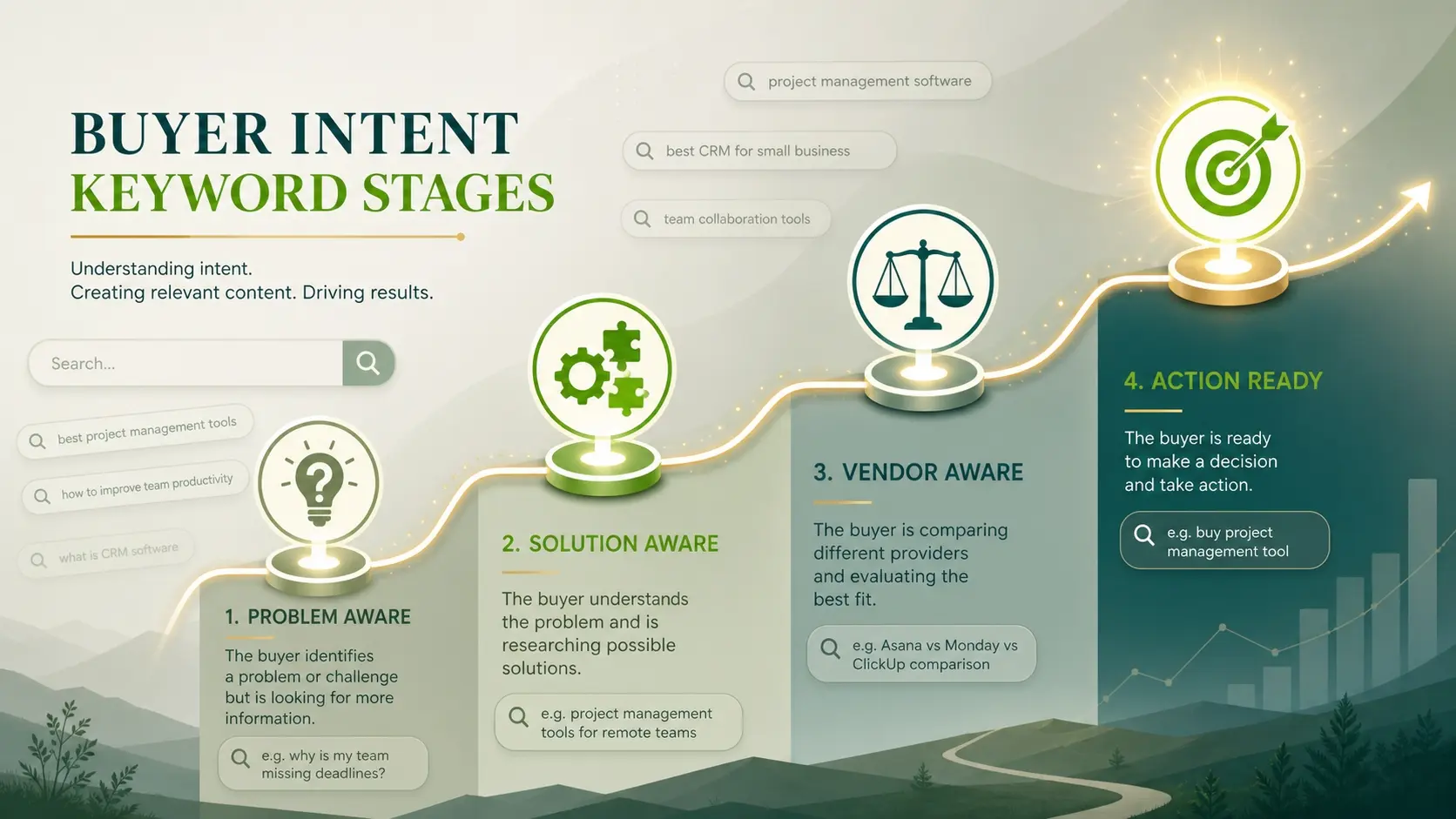 High-intent search queries signal that someone is moving from learning to selecting. These searches include service qualifiers, location signals, pricing curiosity, comparisons, and implementation needs.
Start with a keyword set that maps to stages of intent, then build content that meets that stage without forcing a hard sell too early.
- Problem aware queries: Searchers want clarity and options, so content should define the problem, stakes, and common approaches.
- Solution aware queries: Searchers understand categories, so content should explain methods, tradeoffs, and when each option fits.
- Vendor aware queries: Searchers are comparing providers, so content should address differentiators, proof points, and next steps.
- Action oriented queries: Searchers want to contact, book, request pricing, or start a project, so pages must be conversion ready.
Once intent is clear, build pages that deserve to rank by being the most complete and easiest to act on result for that query.
Content Architecture That Pulls Leads Through
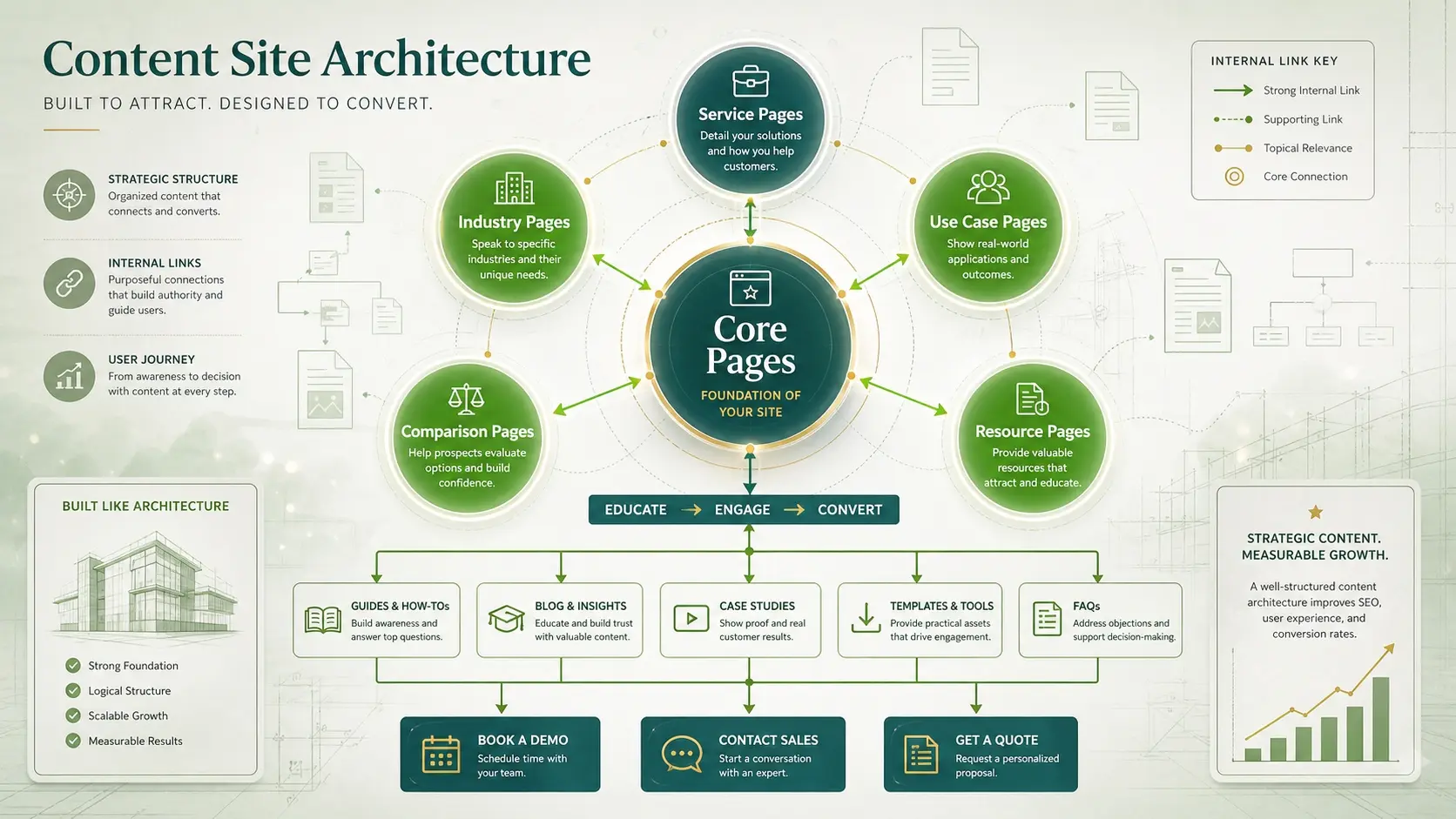 Search engines reward clarity and depth, and buyers reward structure that saves time. Strong architecture also helps internal linking, topical authority, and crawl efficiency.
A practical approach is to create a core set of conversion pages, then support them with educational content that addresses objections and decision factors.
- Service pages: Focus on outcomes, process, timelines, and what a qualified buyer should expect.
- Industry pages: Show relevance by speaking the language of each vertical and highlighting common constraints.
- Use case pages: Tie solutions to specific situations and operational goals.
- Comparison pages: Address alternatives honestly and explain when each option is a better fit.
- Resource pages: Build trust through checklists, frameworks, and decision guides that reduce risk.
This structure keeps informational content from becoming a dead end, while keeping money pages from feeling thin or purely promotional.
On Page SEO Elements That Drive Conversions
On-page SEO for lead generation is not only about placing keywords. It is about making the page instantly understandable to search engines and instantly useful to buyers.
That means tight alignment between title tags, headings, copy, and user expectations, plus conversion cues that feel natural and low pressure.
- Title Tags And Meta Snippets: Match the intent, include the primary term naturally, and communicate what the visitor will get.
- Intro Above The Fold: Confirm the searcher is in the right place and state the main outcome in plain language.
- Scannable Headings: Use clear H2 and H3 sections that answer questions buyers ask during evaluation.
- Trust Signals: Add certifications, industries served, security notes, warranties, or service guarantees where relevant.
- Conversion Paths: Provide a primary call to action and a softer secondary option such as a consultation request or assessment.
After these basics are consistent, testing becomes easier because you know what is changing and why.
Technical SEO That Removes Lead Killing Friction
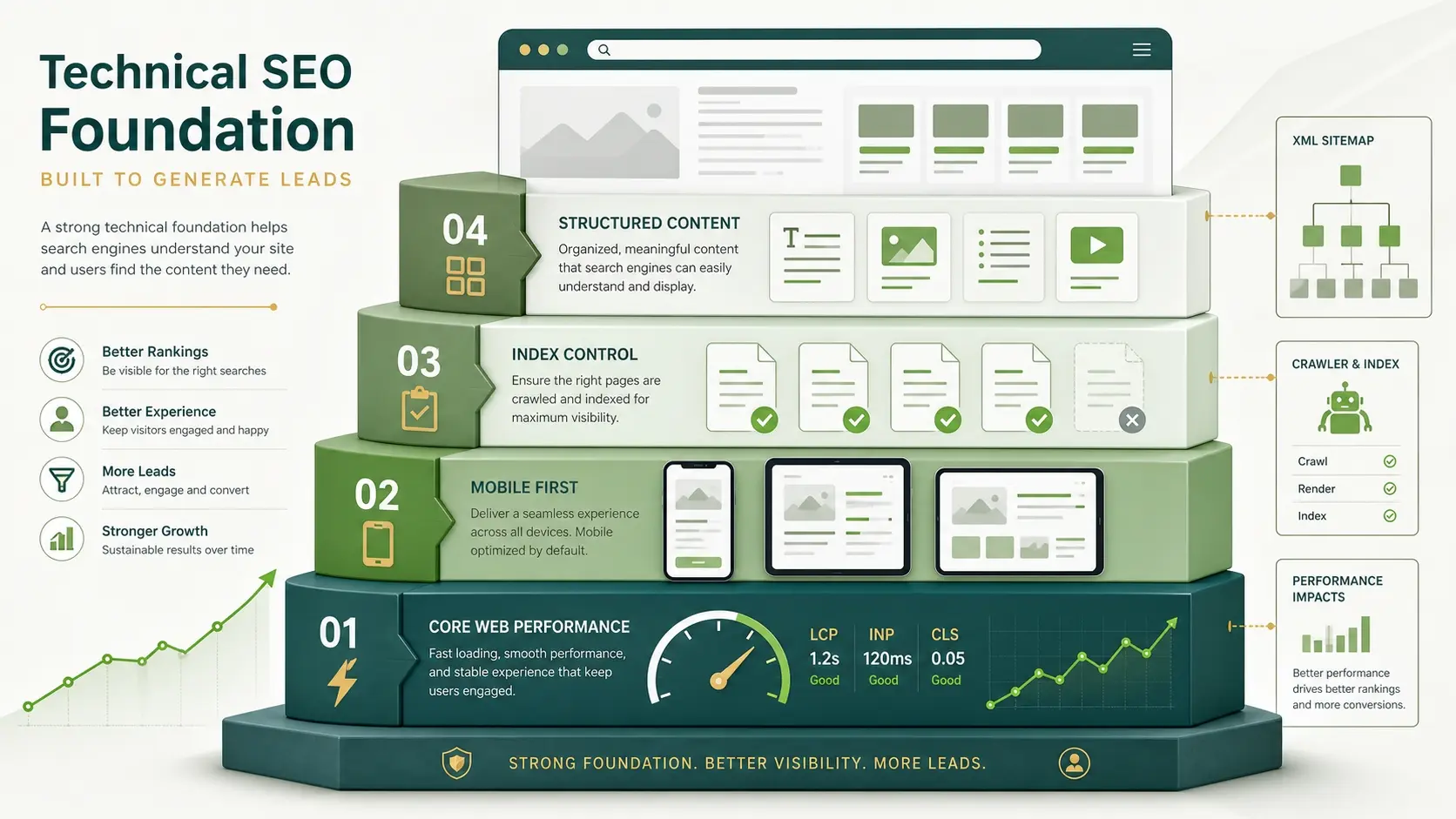 Technical issues rarely show up in a single report as lost leads, but they create drop-offs that compound over time. Speed, mobile usability, indexation, and clean site structure matter most for lead gen.
Fixing these elements also improves crawlability and strengthens your ability to rank for competitive commercial terms.
- Core web performance: Faster pages reduce bounce and improve the odds that a visitor reaches the contact point.
- Mobile first experience: Forms, buttons, and menus must work perfectly on small screens.
- Index control: Keep thin pages out of the index and ensure priority pages are reachable and internally linked.
- Structured content: Use consistent layouts that help both users and search engines parse the page.
Technical stability gives your content and authority work a fair chance to perform.
Local SEO For High Intent Leads
When buyers search with location signals, they are often closer to taking action. Local SEO focuses on visibility in map results and localized organic rankings, but it also supports trust.
Key actions include consistent business information, strong service area pages, and review generation tied to specific services.
- Google Business Profile readiness: Accurate categories, services, hours, and messaging reduce confusion.
- Location pages with depth: Avoid thin city pages and write for real needs, constraints, and service coverage.
- Review strategy: Ask for feedback after successful delivery and respond with professionalism.
If your business sells across regions, combine local pages with industry and use case content to keep intent high.
Link Building That Supports Buying Decisions
Links still influence ranking, but lead generation SEO benefits most from authority that is relevant and earned. Buyers also notice credibility signals when they see mentions, partnerships, and publications.
Focus on links that make sense within your niche and that align with how buyers research providers.
- Digital PR And Thought Leadership: Publish research, insights, and expert commentary that others cite.
- Partner And Vendor Pages: Strengthen trust through real relationships and proper listing placement.
- Local And Industry Directories: Choose reputable listings that buyers actually use.
Consistency matters more than volume, especially in competitive service markets.
Lead Gen Metrics That Matter More Than Traffic
To judge performance, use metrics tied to pipeline and revenue. Organic sessions can be a supporting metric, but it is not the goal.
Track conversions by intent segment so you can invest in the pages that actually produce qualified inquiries.
| Metric | What It Signals | How To Improve It |
|---|---|---|
| Qualified Form Submissions | High intent demand and message match | Refine offers, add trust elements, simplify forms |
| Organic Call And Email Leads | Visitors ready to speak with sales or a specialist | Prominent contact options, stronger service pages |
| Lead To Opportunity Rate | Lead quality and expectation alignment | Tighten keyword targeting, clarify pricing and fit |
| Time To First Lead | How quickly SEO efforts translate into inquiries | Prioritize quick win pages, improve internal links |
When these metrics move in the right direction, rankings and traffic increases tend to become more meaningful rather than distracting.
Aligning SEO With Sales And Lead Qualification
SEO produces better leads when it reflects how sales teams qualify and close deals. That includes fit criteria, common objections, and the exact language prospects use on calls.
Turn those insights into content sections, page copy, and internal links so the website pre-qualifies before anyone fills out a form.
- Define your best fit: Clarify industry, budget range, timeline, and project size so unqualified leads self-select out.
- Answer objections directly: Address timelines, pricing structure, risks, and implementation requirements in plain language.
- Route leads correctly: Use forms and CTAs that map to buyer needs such as audits, consultations, or proposals.
When marketing and sales agree on what a qualified lead looks like, organic SEO becomes far easier to scale.
How IMILI Supports Organic SEO For Lead Generation
Lead generation SEO needs strategy, execution, and measurement that connect to revenue. IMILI focuses on building organic visibility that attracts buyers, supported by on-page improvements, content planning, and technical fixes that reduce friction.
If you need a cleaner path from search to inquiries, IMILI can help align your keyword strategy, site structure, and conversion points so organic traffic turns into measurable leads.
Conclusion
Organic SEO for lead generation succeeds when you prioritize intent, build pages that answer decision questions, and remove technical and conversion friction. Strong architecture, trustworthy content, and clear measurement keep your efforts grounded in outcomes.
Choose keywords that match buying stages, support them with helpful content, and track metrics tied to qualified inquiries. With consistency, organic SEO becomes a predictable channel for attracting buyers rather than casual visitors.
Frequently Asked Questions
How Long Does Organic SEO Take To Generate Leads?
Timing depends on competition, your current site health, and how many high-intent pages already exist. Many sites see early leads after key service pages are improved and indexed, while stronger momentum builds as authority and internal linking grow.
Which Pages Usually Produce The Most SEO Leads?
Service pages, comparison pages, and location pages often convert best because they match action-oriented searches. Performance improves when those pages include clear fit criteria, proof points, and a simple way to contact your team.
What Should I Track To Prove SEO Is Working For Lead Generation?
Track qualified submissions, calls, and emails from organic search, then connect them to opportunities and revenue where possible. Segment reporting by page type and intent so you can see which topics attract buyers rather than low-intent traffic.