
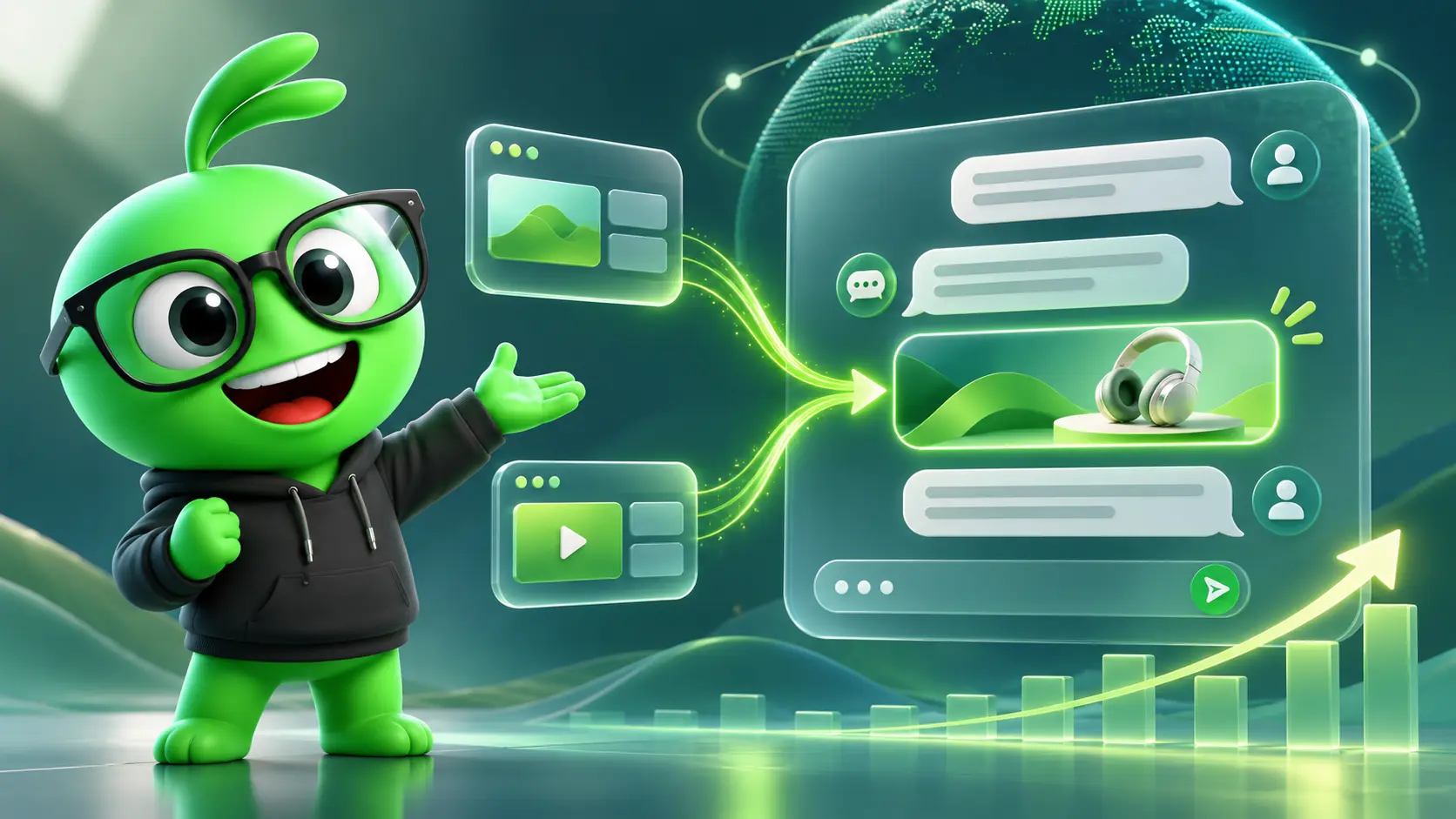
OpenAI has reportedly reached agreements with advertising technology companies Magnite and PubMatic to help fill unused advertising space within ChatGPT. The arrangements are designed to make ChatGPT ads easier for advertisers to purchase through familiar advertising platforms while OpenAI continues to manage how the ads appear. The development highlights the growing role of artificial intelligence (AI) in digital marketing and the expansion of advertising within conversational AI platforms.
The development came to light on November 2, 2026, when a report revealed that OpenAI had reached agreements with Magnite and PubMatic to help sell unused ChatGPT advertising inventory. The arrangements had not been formally announced at the time of the report, although an OpenAI spokesperson confirmed that they were intended to help advertisers purchase and manage ChatGPT ads through tools they already use. The move is part of OpenAI’s broader effort to expand its advertising business.
Magnite and PubMatic are supply-side platforms (SSPs) that help publishers make digital advertising space available to advertisers and ad buyers. These companies commonly support advertising transactions across websites, streaming services, and other digital environments. Through the reported ChatGPT agreements, they are helping connect existing advertising workflows with OpenAI’s advertising system.
According to the report, advertisers can use Magnite or PubMatic software to set spending budgets, submit bids, and upload advertisements for ChatGPT placements. OpenAI retains control over the final selection and delivery of ads, including where and how sponsored messages appear. The agreements provide additional advertising buying options, but they do not guarantee that an advertisement will appear in a particular conversation.
The expansion comes as businesses look for new ways to connect with customers who increasingly use AI tools to find information, compare products, and make purchasing decisions. Traditional digital advertising has largely focused on search engines, websites, and social media platforms. AI-powered conversations are now creating another way for brands to reach interested audiences. Google’s recent expansion of AI Mode advertising shows that conversational ad placements are developing across more than one major platform.
ChatGPT advertising differs from traditional search and display advertising because its ad system can consider the context and intent of the current conversation, along with information about an advertisement and its landing page. When personalized advertising is enabled, additional permitted signals may also help determine relevance. Advertisers can provide topics and context hints to guide ad matching, but these do not guarantee placement in specific conversations.
OpenAI has emphasized that advertisements remain separate from ChatGPT’s answers and do not influence the information generated by the AI assistant. Ads are clearly identified as sponsored content. The company has also stated that advertisers cannot access users’ private conversations, while advertising performance information is provided through aggregated reporting.
The new agreements add to OpenAI’s existing advertising relationships with companies including Amazon Ads, Criteo, LiveRamp, and StackAdapt. These partnerships are intended to make ChatGPT advertising easier to access and manage through tools that businesses and advertising agencies already use. OpenAI has also introduced HubSpot and Shopify integrations that connect ChatGPT advertising with established marketing and ecommerce workflows.
Advertising volume through Magnite and PubMatic was reportedly limited when the agreements became public. Expectations of future growth should not be confused with proven campaign performance. Advertisers testing ChatGPT should track qualified leads, conversion rates, customer acquisition cost, and return on ad spend. They should also compare attribution and incrementality before increasing their advertising budgets.
For digital marketing agencies, the immediate opportunity is to evaluate whether ChatGPT ads can support existing campaign goals rather than shifting budgets based only on headlines. Businesses can begin with a small advertising test, clear offers, relevant landing pages, and reliable conversion tracking. OpenAI’s ChatGPT ad creative guidance recommends useful messaging that clearly explains the value of a product or service. Before launching campaigns, businesses should also check advertising availability, account eligibility, and applicable advertising policies.
The Magnite and PubMatic agreements show that ChatGPT advertising is becoming easier to purchase through established ad-tech systems. For marketers, the next important question is whether campaigns can produce measurable results at acceptable costs. Until more performance data becomes available, businesses should treat ChatGPT as an additional advertising channel to test alongside their existing digital marketing strategies.