
Choosing digital marketing services in the USA is less about chasing every channel and more about building a system that reliably attracts, converts and retains customers.
The smartest mix depends on your sales cycle, margins, geography and the maturity of your website and analytics.
How Digital Marketing Services Fit Together?
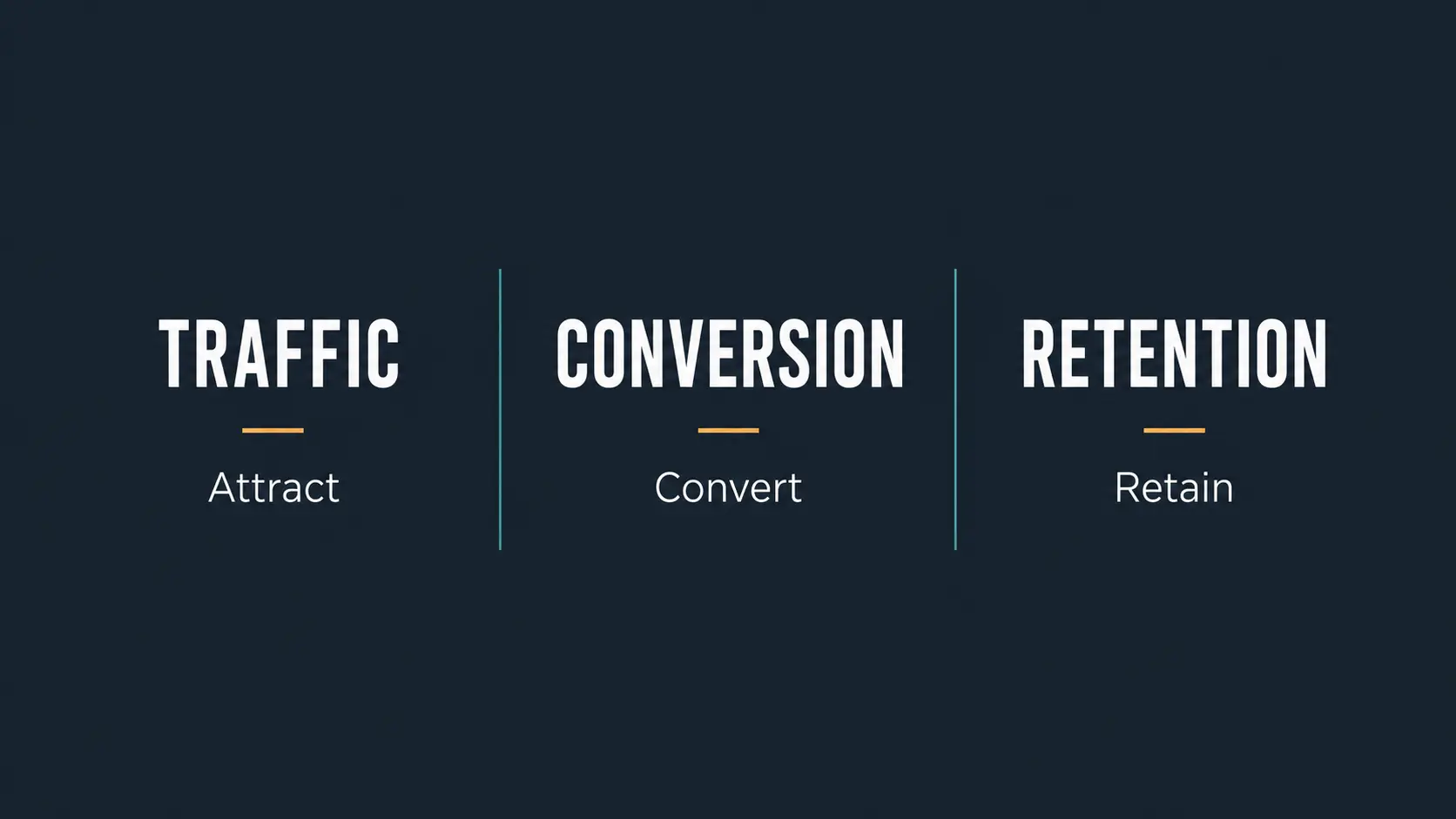
Most services fall into three layers: traffic, conversion and retention. Traffic brings qualified visitors, conversion turns visits into leads or purchases and retention increases repeat revenue.
When one layer is weak, results look inconsistent even if spend increases. A simple planning approach helps you prioritize what to fix first.
- Traffic: Search, social, paid media, partnerships and local visibility increase demand capture and demand creation.
- Conversion: Landing pages, messaging, offers and user experience remove friction and improve lead quality.
- Retention: Email, SMS, loyalty programs and customer content strengthen lifetime value and referrals.
With that framework, each service becomes easier to evaluate based on outcomes rather than trends.
Search Engine Optimization
Search engine optimization supports long-term growth by improving visibility for queries that show intent. It is strongest when your business can earn trust over time and benefit from compounding traffic.
In the USA, SEO often needs both technical quality and content depth to compete in crowded markets. Results typically build gradually as pages earn relevance and authority.
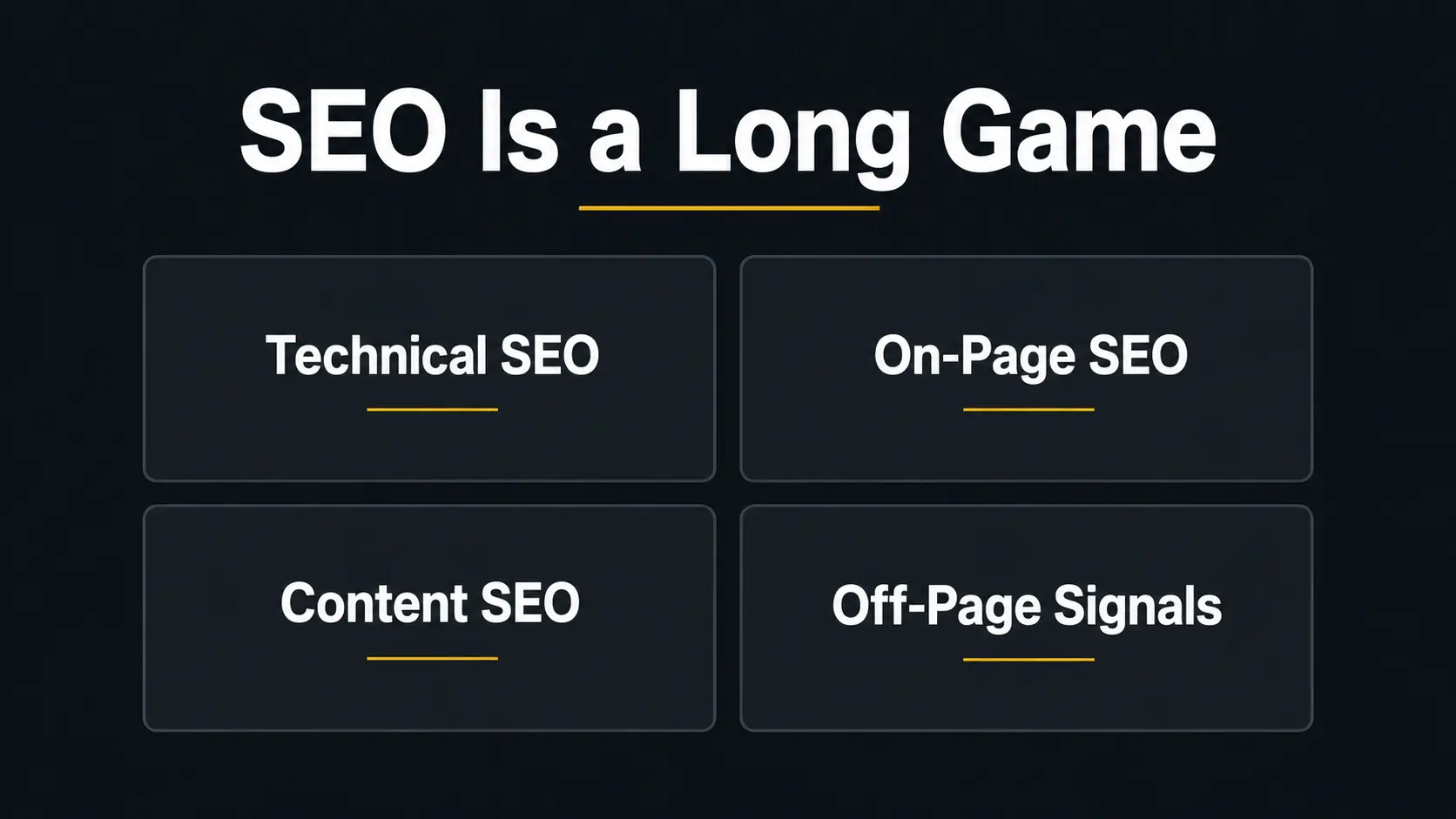
- Technical SEO: Site speed, crawlability, index control and structured data reduce friction for search engines and users.
- On-Page SEO: Keyword targeting, internal linking and helpful page structure align pages to real search intent.
- Content SEO: Topic coverage, unique insights and clear answers support helpful content signals and expertise.
- Off-Page Signals: Digital PR and trusted mentions support authority in competitive categories.
SEO works best when it is connected to conversion tracking and lead quality review, not just rankings.
Local SEO and Google Business Profile
If you serve a defined area, local SEO is often the highest leverage service. It helps you show up for nearby searches where the user is ready to call, visit, or book.
Google Business Profile management, local citations and review strategy are core components. Consistent name, address and phone details across the web reduce confusion and improve trust.
- Map Pack Visibility: Category alignment, service areas and strong engagement signals improve local placement.
- Reputation Management: Review volume, review quality and timely responses influence clicks and conversions.
- Local Landing Pages: Location and service pages match neighborhood intent without duplicating thin content.
Local performance should be tracked with calls, form submissions, direction requests and booked appointments.
Paid Search Advertising
Paid search delivers speed and controllability because you can bid on high-intent keywords. It is a strong fit when customer value supports ad costs and you can track conversions reliably.
In the USA, competitive industries can have high cost per click. That makes account structure, negative keywords and landing page quality critical for efficiency.
- Define Conversion Events. Track calls, forms, purchases and qualified leads so optimization aligns with revenue.
- Segment Campaigns By Intent. Separate brand, non-brand and competitor terms to control budgets and messaging.
- Improve Landing Page Relevance. Match ad promise to page content and keep forms short and clear.
- Audit Search Terms Weekly. Add negatives and refine targeting to prevent wasted spend.
When paid search is set up well, it becomes a dependable demand capture channel while SEO compounds in parallel.
Paid Social Advertising
Paid social helps create demand and retarget visitors who did not convert. It works well when creative and messaging can clearly communicate value in seconds.
Success depends on audience strategy, creative testing and alignment between ad intent and on-site experience. It also depends on accurate tracking so you can optimize for business outcomes, not just clicks.
- Prospecting Campaigns: Reach new audiences based on interests, behaviors and lookalike signals.
- Retargeting: Re-engage visitors, cart abandoners and video viewers with tailored offers.
- Creative Testing: Rotate hooks, formats and proof points to reduce fatigue and improve efficiency.
Paid social becomes more predictable when paired with strong landing pages and a clear follow-up workflow.
Content Marketing and Copywriting
Content marketing earns attention by answering real questions and building credibility. It supports SEO, sales enablement, email campaigns and social distribution.
Copywriting turns that attention into action through clear positioning and specific benefits. Strong copy reduces acquisition costs by improving conversion rates across channels.
- Service Pages: Clear outcomes, proof and objections handling guide buyers toward inquiry or checkout.
- Educational Content: Topic clusters address awareness through decision stages with practical depth.
- Lead Magnets: Useful assets build your email list with motivated prospects.
Content quality improves when subject matter expertise is visible through specifics, constraints and transparent claims.
Email Marketing and Marketing Automation
Email remains one of the most efficient ways to increase repeat purchases and nurture leads. It is also a key channel for retention, which often determines profitability.
Automation improves consistency by delivering timely messages based on behavior. Good segmentation avoids generic blasts and keeps engagement strong.
- Welcome Series: Introduce your offer, set expectations and drive first conversion.
- Lead Nurture: Build trust with educational sequences that address common objections.
- Reactivation: Bring back dormant subscribers with targeted messaging and relevant incentives.
- Post-Purchase Flows: Reduce refunds, increase usage and generate reviews and referrals.
With clear lifecycle messaging, email becomes a stable growth lever rather than an occasional promotional channel.
Website Design And Conversion Rate Optimization
Traffic only matters if the site converts. Website design and conversion rate optimization focus on clarity, speed and reducing friction at key decision points.
CRO works best with a testing backlog based on real user data. Heatmaps, session recordings, form analytics and customer feedback guide the highest impact changes.
- Landing Page Optimization: Strong headlines, proof points and concise forms increase qualified inquiries.
- Checkout Optimization: Fewer steps and clearer totals reduce abandonment for ecommerce.
- Mobile Experience: Faster load times and thumb-friendly layouts protect conversion rates.
Even small lifts in conversion rate can reduce your cost per acquisition across every paid channel.
Analytics And Tracking
Analytics is the foundation of trustworthy decision making. Without accurate tracking, it is easy to overinvest in channels that look good on surface metrics but fail to drive revenue.
A strong setup connects campaigns to outcomes and clarifies which leads become customers. It also supports compliance by managing consent and data collection responsibly.
| Service | Best For | Primary KPI |
|---|---|---|
| SEO | Compounding organic growth and trust-building | Non-brand organic leads |
| Local SEO | Service-area visibility and phone-driven inquiries | Calls and booked appointments |
| Paid Search | High-intent demand capture with clear attribution | Cost per qualified lead |
| Email Automation | Retention and nurturing across the lifecycle | Revenue per subscriber |
This view helps align services with outcomes so your plan stays focused and measurable.
How To Choose The Right Mix For Your Business
Start with your constraints and the behavior of your buyers. A local service provider needs different priorities than a national ecommerce brand or a B2B company with a long sales cycle.
Use a short decision process to avoid spreading budget too thin. Keep your plan simple enough to execute well.
- Clarify Your Goal. Pick one primary outcome such as qualified leads, online sales, or booked consultations.
- Confirm Your Tracking. Ensure phone calls, forms and purchases are attributed correctly before scaling spend.
- Pick One Demand Capture Channel. Choose SEO, local SEO, or paid search based on intent and timeline.
- Add One Demand Creation Channel. Layer paid social or content distribution to expand reach beyond search.
- Strengthen Conversion And Retention. Improve landing pages and add email automation to increase return on traffic.
Once the core system performs, you can add secondary channels like video marketing, influencer partnerships, or digital PR with less risk.
Common Mistakes To Avoid When Hiring Digital Marketing Services
Many businesses buy tactics without a measurement plan. That creates activity without clarity and makes it hard to know what to keep or cut.
Another common mistake is expecting one channel to fix weak positioning or a confusing offer. Marketing amplifies what is already there.
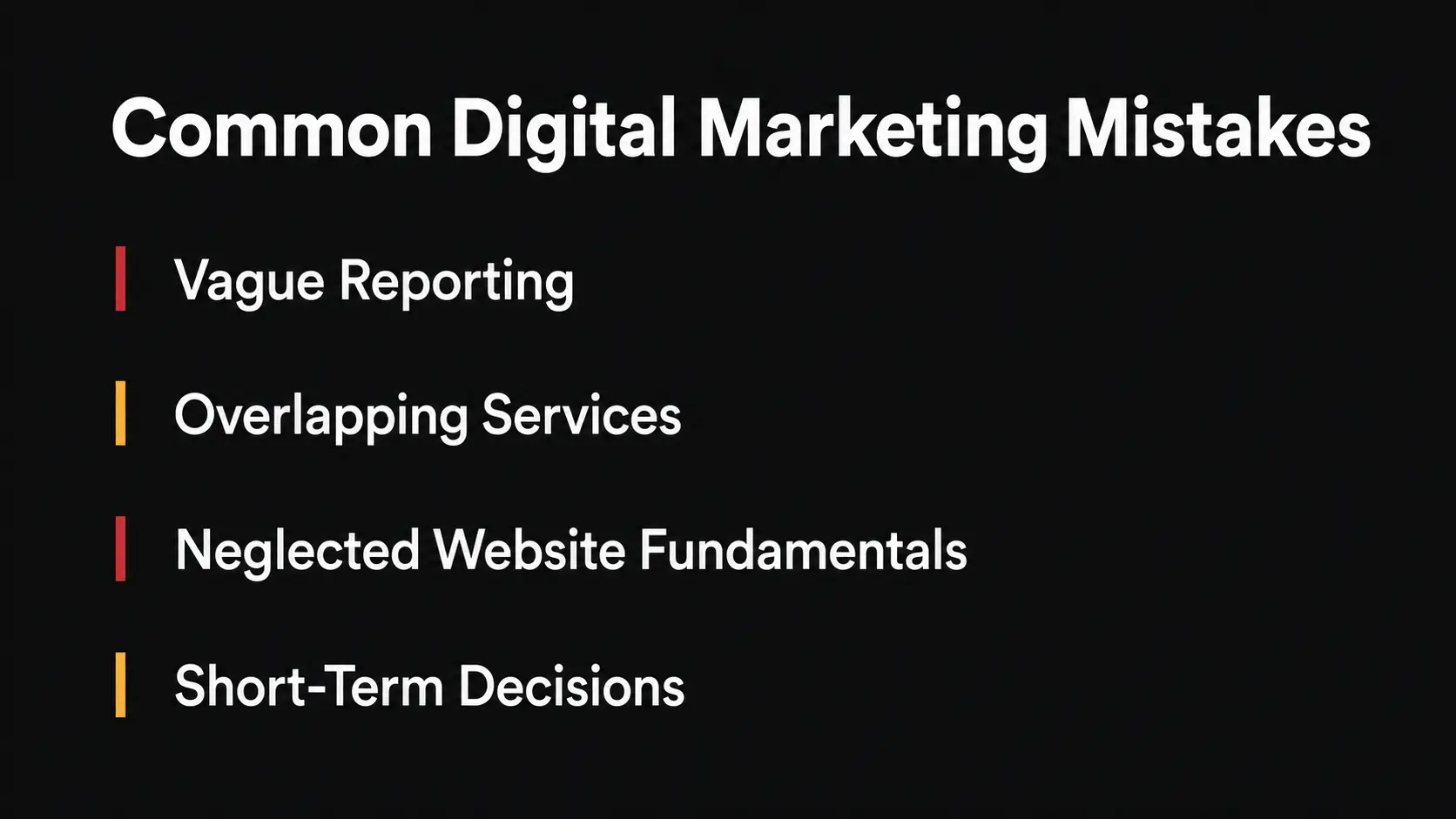
- Vague Reporting: Dashboards that highlight clicks and impressions but ignore lead quality and revenue.
- Overlapping Services: Multiple vendors running ads without shared tracking and unified messaging.
- Neglected Website Fundamentals: Slow pages, unclear calls to action and weak trust signals that reduce conversion.
- Short-Term Decisions: Turning off SEO too early or changing strategy before enough data exists.
A clear scope, defined KPIs and regular performance reviews reduce these risks and improve outcomes.
Conclusion
The right digital marketing services in the USA create a connected system where traffic, conversion and retention reinforce each other. Start with accurate tracking, prioritize the channel that matches buyer intent and support it with strong content and a high-converting website.
When your plan stays focused and measurable, you can scale with confidence and avoid paying for disconnected tactics that do not move revenue.
FAQ’s
1. What digital marketing services are most important?
The most important digital marketing services depend on your goal. SEO is useful for long-term organic traffic, PPC can bring faster leads, social media builds awareness and trust and web design improves conversions. Analytics is also important because it shows what is working. Most businesses need a balanced mix rather than one service alone.
2. Do small businesses need all digital marketing services?
Small businesses do not need every digital marketing service at the beginning. They should start with the channels most likely to bring leads or sales based on their audience and budget. For many businesses, this means a strong website, local SEO, basic tracking and one paid or social channel. More services can be added later.
3. How do digital marketing services work together?
Digital marketing services work together by moving users from discovery to trust and then action. SEO brings search visibility, paid ads drive targeted traffic, social media builds awareness, content answers questions and web design helps visitors convert. Analytics connects all of this by showing which channels create leads, sales and better customer journeys.